Genesis 4:1-16
Lens: narcissistic injury / shame-to-rage collapse
Walk with me through this one, because on the surface it looks like a simple story — the first murder, the first grief, the first exile. But sit with it a minute longer and something stops making sense.
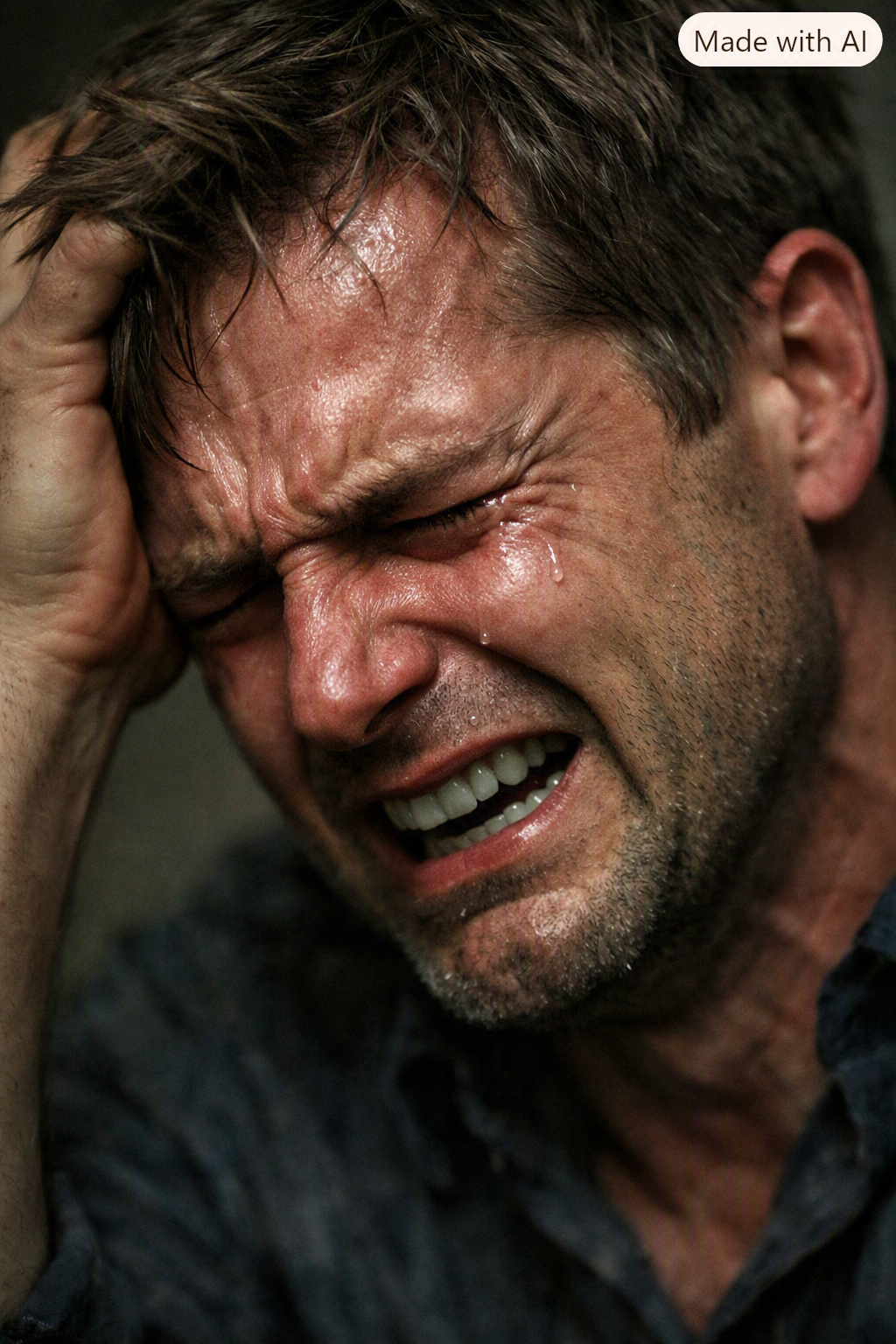
Cain brings an offering. God isn't pleased with it. And here's the detail that's easy to skip past: the text doesn't say he got angry. It says his face fell.
Not "he raged." His face fell.
That's not the language of fury. That's the language of collapse — the particular kind that happens when something we've offered, something we tied our worth to, gets rejected in plain view of everyone watching. What we'd now recognize as narcissistic injury isn't vanity wounded. It's the self, undone. Cain isn't just disappointed. Something in him has been unmade.
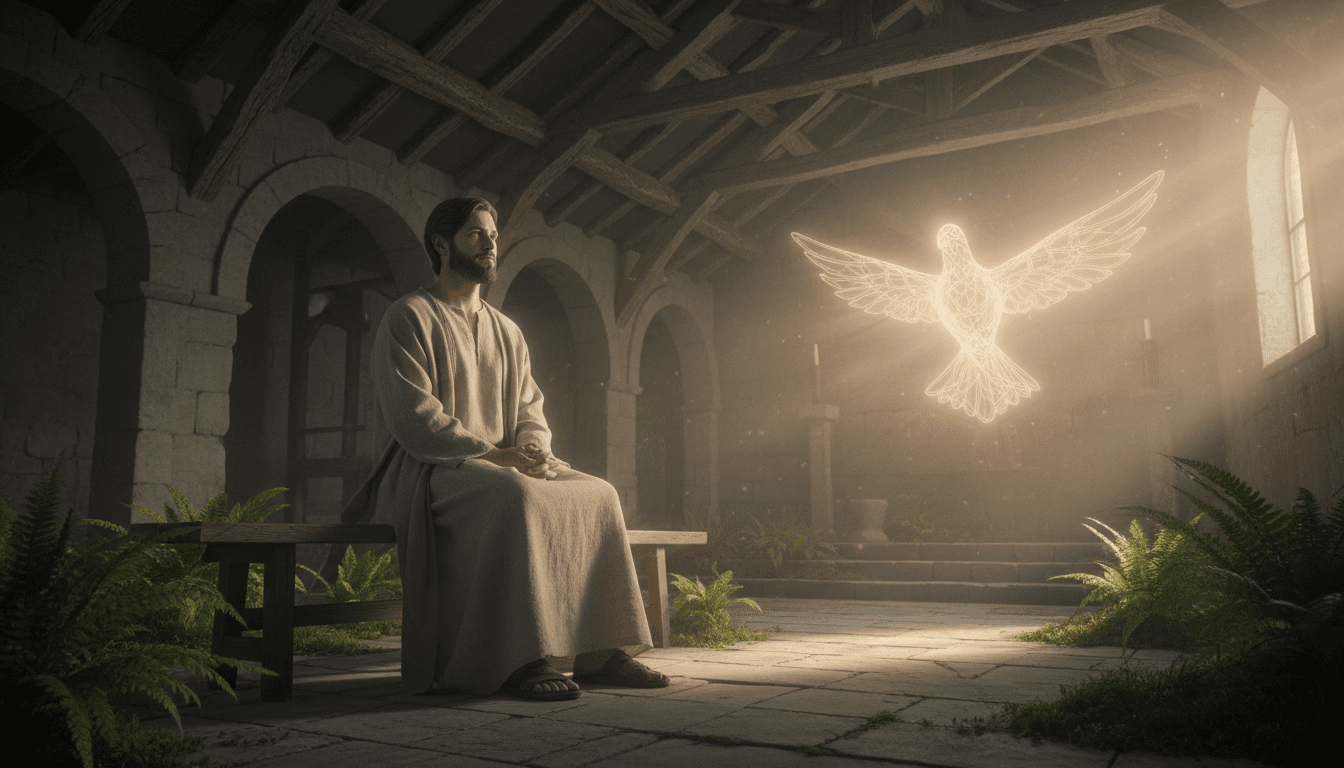
And before he does anything with that, God meets him in it.
Sin is crouching at the door, God tells him. Its desire is for you, but you must rule over it. A warning, spoken out loud, to a man who hasn't acted yet — a man sitting in the exact gap between the wound and whatever he does with it.
So why does the warning fail?
Maybe because a wound named out loud is somehow harder to carry than one left vague. It's one thing to feel humiliated in the privacy of your own chest. It's another to have God stand there and say, I see precisely what's happening in you right now. Some injuries would rather become weapons than stay witnessed.
Then comes the second unraveling — stranger, if you're paying attention, than the murder itself. God asks where Abel is. And Cain, still standing in the field with blood in the dirt at his feet, answers: I don't know. Am I my brother's keeper?
He's not covering the crime. He's covering the injury underneath it.
Because the real question was never "where is Abel." The real question was "did the wound win?" And Cain can't say yes to that — not out loud, not even to himself — so he answers a different question instead, dressed up as innocence, almost convincing, if you don't already know what's buried in the soil.
What if the mark God places on him afterward isn't only a curse? He's driven out, yes — a wanderer for what's left of his life. But the mark itself is protection. God doesn't abandon the man whose collapsed face turned lethal. He guards him even now.
Isn't that the harder thing to believe — that the God who named the danger before it happened is still willing to shield the man who let it win anyway?
This was never a story about a man who simply lost his temper. It's the first recorded case of a wound that went unmet — the moment an unattended collapse of self chose a body to land on, instead of a witness to hold it.
The warning was never the problem. The problem was that Cain believed the fall on his face had already decided the rest of him.