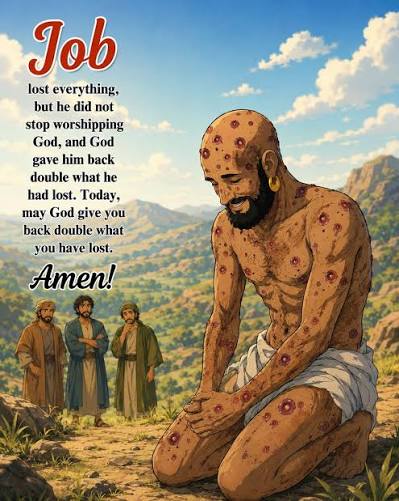
There are seasons in life when pain doesn’t just hurt — it humiliates. It wears you down. It makes you feel small in rooms where you should be cared for. And sometimes, it makes you feel like Job.
I didn’t come to that comparison lightly. I came to it after years of being dismissed by people who were supposed to help me.
I sat in a pain clinic, hurting so badly I could barely think straight. The nurse asked, “What’s your pain level?” I said, “Maybe a 10.” She smirked and said, “It can’t be 10. If it was 10, you’d be dead.”
Pain is personal. It’s lived. Nobody gets to tell you what your number “should” be. But she did.
Later she added, “We all know the only reason you’re here is for pain medication.”
Except I wasn’t. I didn’t take any. I wasn’t seeking anything addictive. I was seeking relief — the kind that lets you live your life without losing yourself.
Fast‑forward three years. I have a stimulator. It helps, but not the way I was promised. I asked for a non‑addictive medication — something responsible, something safe. My insurance denied it three times. Four doctors refused to fight for it.
And the kicker?
My wife gets the exact same medication for her migraines. Same drug. Same bottle. Same pharmacy. She’s on Medicaid. I’m on Medicare.
She gets help.
I get denied.
And that’s when I said it out loud:
“I feel like Job.”
Job’s Pain Wasn’t the Only Problem — People’s Responses Were
Job didn’t just suffer physically. He suffered socially, emotionally, spiritually. His friends didn’t comfort him — they explained him. They judged him. They assumed things about him. They told him what his pain “should” mean.
Job’s friends said, “You must be doing something wrong.”
My nurse said, “Your pain can’t be that bad.”
Doctors said, “You’re only here for meds.”
Insurance said, “Your suffering doesn’t fit our code.”
Job wasn’t believed.
I wasn’t believed.
Job wasn’t understood.
I wasn’t understood.
Job wasn’t helped.
I wasn’t helped.
That’s why the comparison is real — because Job’s story isn’t just about boils and ashes. It’s about the loneliness of being in pain while people who should help you instead explain you.
Job’s Honesty Wasn’t the Problem — People’s Assumptions Were
Job said things that sounded angry, frustrated, even hopeless. But God never rebuked Job for speaking honestly. God rebuked the friends who refused to see Job clearly.
Job’s honesty wasn’t the issue.
Job’s anger wasn’t the issue.
Job’s questions weren’t the issue.
Job’s pain wasn’t the issue.
The issue was the people who refused to listen.
And that’s exactly how chronic pain feels in this country.
You’re honest.
You’re responsible.
You’re doing everything right.
And you’re still treated like your suffering is suspicious.
Job’s Story Didn’t End in Suffering — It Ended in Being Seen
Job wasn’t restored because he “toughed it out.”
He was restored because God stepped into the conversation and said, “I have seen you. I have heard you.”
Job’s story ends with God saying, “I know what you’ve been through, and I’m not ignoring it.”
That’s the part we forget when we’re in the middle of our own ashes.
What My Pain Has Taught Me — and What Job Teaches All of Us
Pain doesn’t just hurt your body.
It hurts your dignity.
It hurts your trust.
It hurts your hope.
But Job teaches us something essential:
God does not dismiss honest pain. People might. Systems might. But God doesn’t.
Job teaches us that:
You can be angry and still be faithful.
You can be exhausted and still be seen.
You can be misunderstood and still be loved.
You can be denied by people and still be defended by God.
And maybe the most important part:
Job teaches us that suffering is not a sign of God’s absence — it’s often the place where God speaks most clearly.
If You Feel Like Job Right Now
If you’ve been dismissed, minimized, or treated like your pain is negotiable, hear this:
You’re not weak.
You’re not dramatic.
You’re not “too sensitive.”
You’re not imagining the injustice.
You’re walking through something Job understood better than anyone.
And like Job, your story isn’t over.
God sees you.
God hears you.
God knows the truth about your pain.
And God does not side with the people who dismiss you.
Closing Thought
Job sat in ashes, not because he lacked faith, but because he lacked support.
If you’re sitting in your own ashes — medical, emotional, spiritual — you’re in good company. Job sat there too. And God met him there.
And God will meet you there.